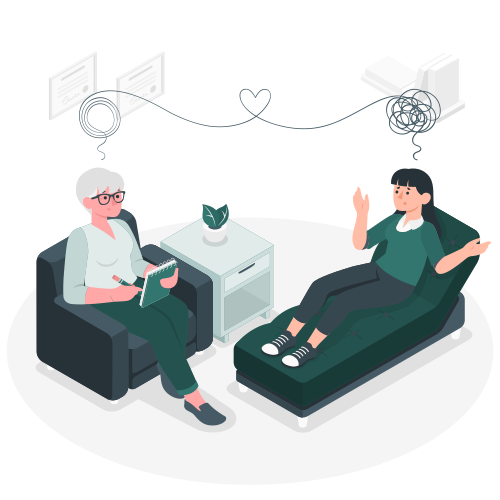
Seeking Support & Professional Help: When and How to Reach Out
Mental health challenges can feel overwhelming, but you don’t have to go through them alone. Whether you’re struggling with stress, anxiety...
View More
Depression often distorts thoughts, making everything seem worse than it really is. Learning to challenge these negative patterns can help shift your mindset.
❌ "I always fail at everything." → ✅ "I've had setbacks, but I have also succeeded before."
❌ "Nobody cares about me." → ✅ "I feel lonely, but I have people who support me."
❌ "Things will never get better." → ✅ "This feeling is temporary, and I can take small steps to improve."
A structured plan can make difficult days more manageable.
✅ Identify Your Triggers – What situations or habits make you feel worse?
✅ Build a Daily Routine – Structure can help prevent feeling stuck.
✅ Set Small, Achievable Goals – Completing small tasks can build momentum.
✅ Reach Out for Support – Talk to a friend, therapist, or support group.
Depression often makes it hard to see progress, but celebrating small wins can boost motivation.
🎉 Getting out of bed and showering
🎉 Eating a healthy meal
🎉 Going outside for 5 minutes
🎉 Sending a message to a friend
When struggling with low mood, even enjoyable things can feel like a chore. The key is to start small and focus on activities that bring even a tiny bit of comfort.
🌿 Nature Walks – Fresh air and sunlight can help boost mood.
📚 Reading or Listening to Audiobooks – A good story can provide an escape.
🎶 Listening to Music – Create a playlist of uplifting songs.
🖌️ Creative Expression – Drawing, painting, or journaling can be therapeutic.
If depression is interfering with daily life, professional support can be essential. Signs that it might be time to seek help include:
🚩 Feeling hopeless or worthless most of the time
🚩 Losing interest in activities you once enjoyed
🚩 Struggling with sleep, appetite, or motivation
🚩 Thoughts of self-harm or suicide (In this case, seek immediate help)
Mental health challenges can feel overwhelming, but you don’t have to go through them alone. Whether you’re struggling with stress, anxiety...
View MoreStress and anxiety are a natural part of life, but when they become overwhelming, it's essential to have coping strategies in place...
View MoreOur daily habits have a significant impact on our mental health. From sleep and nutrition to exercise and digital consumption...
View MoreLife is full of challenges, but emotional resilience helps us navigate stress, setbacks, and uncertainty...
View More