Building Healthy Routines: How Daily Habits Impact Your Mental Well-Being
Our daily habits have a significant impact on our mental health. From sleep and nutrition to exercise and digital consumption...
View More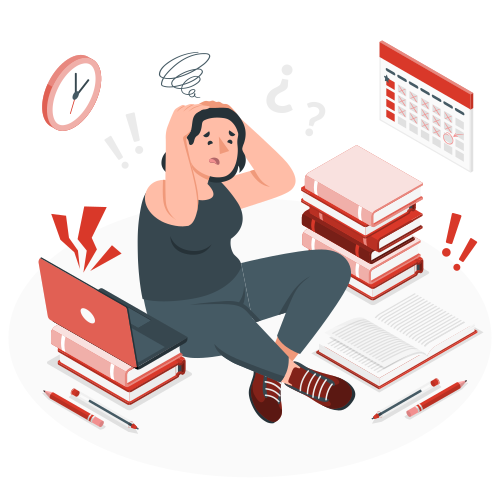
One of the quickest ways to reduce stress is by controlling your breath. Deep breathing activates the body's relaxation response, lowering heart rate and calming the nervous system.
1️⃣ Inhale deeply through your nose for 4 seconds.
2️⃣ Hold your breath for 7 seconds.
3️⃣ Slowly exhale through your mouth for 8 seconds.
4️⃣ Repeat 4-5 times until you feel more relaxed.
Anxiety often causes muscle tension, leading to headaches, fatigue, and discomfort. Progressive Muscle Relaxation (PMR) helps release this tension by focusing on different muscle groups.
🔹 Sit or lie in a comfortable position.
🔹 Start at your feet—tense the muscles for 5 seconds, then slowly release.
🔹 Move up to your legs, stomach, arms, shoulders, and face.
🔹 With each release, notice the difference between tension and relaxation.
When anxiety feels overwhelming, grounding techniques bring your focus back to the present moment.
👀 5 things you can see (your hands, a book, a plant, etc.)
✋ 4 things you can touch (your clothing, a chair, a pillow, etc.)
👂 3 things you can hear (a fan, birds, your breath, etc.)
👃 2 things you can smell (coffee, soap, fresh air, etc.)
👅 1 thing you can taste (mint, water, gum, etc.)
Mindfulness means staying present without judgment. Meditation strengthens this skill, helping you respond to stress more calmly over time.
🌿 Sit comfortably and close your eyes.
🌬️ Focus on your breath—notice each inhale and exhale.
💭 If your mind wanders, gently bring your focus back to your breath.
⏳ Start with 2-5 minutes a day and gradually increase as you become more comfortable.
Writing down your thoughts can help release stress and gain clarity.
📖 What’s making me feel stressed right now?
💡 What can I control in this situation?
❤️ What are three things I’m grateful for today?
Physical activity releases endorphins, the body’s natural stress relievers. You don’t need an intense workout—even gentle movement can help.
🚶 Take a 10-minute walk outside.
🧘 Try yoga or stretching before bed.
💃 Dance to your favorite song for a quick mood boost.
Stress often comes from taking on too much. Learning to say no and set boundaries can protect your energy.
✅ Recognize your limits – It’s okay to step back when overwhelmed.
✅ Be direct but kind – Say, “I’d love to help, but I don’t have the time right now.”
✅ Prioritize self-care** – Your mental well-being is just as important as any obligation.
Connecting with others can provide relief and perspective.
👥 Talk to a trusted friend about how you're feeling.
📝 Join a support group related to stress and anxiety.
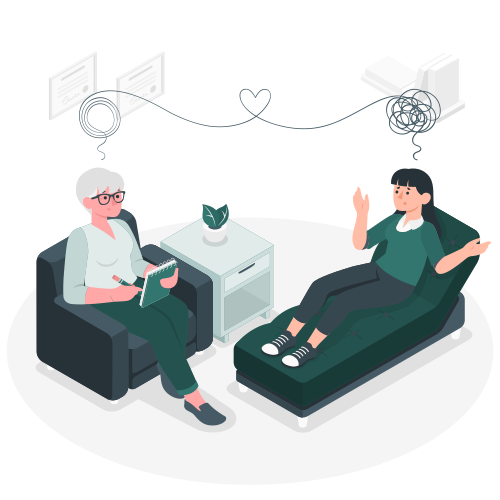
📞 Reach out to a therapist if stress feels unmanageable.
Our daily habits have a significant impact on our mental health. From sleep and nutrition to exercise and digital consumption...
View MoreLife is full of challenges, but emotional resilience helps us navigate stress, setbacks, and uncertainty...
View MoreFeeling low from time to time is a normal part of life, but when sadness lingers or affects daily life, it can be overwhelming...
View MoreMental health challenges can feel overwhelming, but you don’t have to go through them alone. Whether you’re struggling with stress, anxiety...
View More